3D Architectural Exterior Rendering – Visualizing Buildings Before They Are Built
The exterior of a building is more than its structural shell—it is the first impression, the visual identity, and the defining character of a project. For architects, developers, and real estate marketers, communicating this exterior vision accurately is critical. This is where 3D architectural exterior rendering becomes one of the most important tools in the design and development process.
Exterior renderings transform architectural drawings into realistic images that showcase lighting, materiality, landscaping, shadows, and environmental context. They help clients, investors, planning boards, and buyers understand exactly what a building will look like long before construction starts.
In today’s competitive market, exterior rendering is not simply optional—it is a necessity.
What Is 3D Architectural Exterior Rendering?
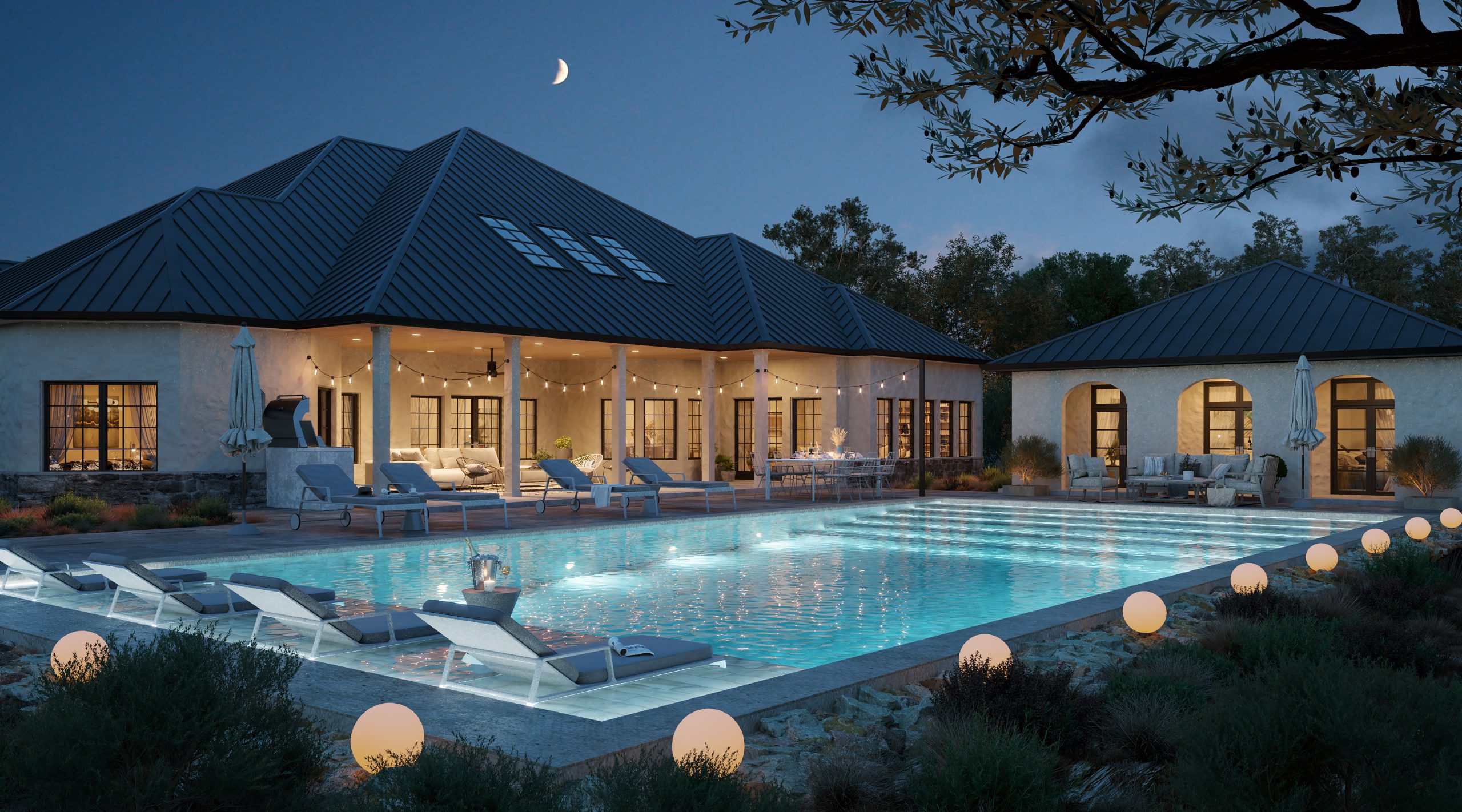
Exterior rendering is the creation of photorealistic images of a building’s outside appearance using advanced 3D modeling and rendering software. The process includes modeling the architecture, applying materials, setting lighting conditions, adding landscaping, and integrating the building into a real or simulated environment.
The final result is an image that looks like a photograph of a completed project—even if the project is still in the planning stage.
Exterior rendering is used for residential homes, commercial buildings, multi-family developments, hospitality projects, mixed-use complexes, and large-scale urban environments.
Why Exterior Rendering Is Essential for Modern Architecture
Architectural exterior rendering offers several major benefits.
1. Clearly communicates design intent
Architectural drawings can be difficult for clients to interpret. A high-quality exterior render removes ambiguity by showing exactly what the building will look like.
2. Helps with approvals and planning
Many municipalities and design review boards require visual documentation. Exterior renderings help illustrate how a project fits into its surroundings and meets regulatory guidelines.
3. Supports real estate marketing and pre-selling
Developers use exterior renders in brochures, billboards, digital campaigns, and presentations. These visuals attract buyers and generate interest before construction begins.
4. Enhances investor presentations
Investors want clarity, confidence, and vision. A strong exterior image communicates professionalism and potential value.
5. Allows testing of multiple design options
Renderings enable architects to experiment with façade materials, colors, lighting, and landscape variations quickly and affordably.
What Makes Great Exterior Rendering?
Not all renderings are the same. High-quality exterior visualization requires attention to detail, artistic skill, and an understanding of architectural principles.
Lighting is one of the most important elements. The right lighting can emphasize materials, highlight structure, and create atmosphere.
Material accuracy is also crucial. Brick, metal, concrete, glass, and wood need to look realistic and interact with light naturally.
Environmental context matters as well. Landscaping, sky conditions, shadows, neighboring structures, and reflections all contribute to a believable final image.
A great exterior render balances technical accuracy with artistic storytelling.
How MR Rendering Creates High-Quality Exterior Renders
MR Rendering has extensive experience producing architectural exterior renderings for clients around the world. Our process is designed to achieve both realism and clarity.
Step 1: Gathering all project information
We begin by reviewing architectural drawings, elevations, site plans, material references, and inspiration images.
Step 2: Building the 3D model
Our team recreates the architectural structure with precise measurements, ensuring accuracy and proportionality.
Step 3: Applying materials and textures
Each façade material—stone, siding, concrete, glass, metal—is selected and optimized to achieve realistic detail.
Step 4: Setting lighting and environmental conditions
Daylight, sunset, evening lighting, and artificial lights are tested to determine the best mood for the render.
Step 5: Adding landscaping and context
Trees, plants, roads, cars, people, and surrounding buildings help create a lifelike environment.
Step 6: Rendering and post-production
The final render undergoes color correction, contrast adjustments, and fine detailing to enhance realism.
This workflow ensures that every exterior render tells a complete visual story of the project.
Who Uses Exterior Renderings?
A wide range of professionals rely on exterior visualization.
Architects use renders to present concepts and refine designs.
Developers rely on exterior images to market new properties and secure pre-sales.
Real estate agents use renders to promote upcoming listings and attract buyers.
Construction companies use visualization to communicate project plans and timelines.
Marketing agencies incorporate exterior renders into brand campaigns for new developments.
Regardless of the audience, exterior rendering provides clarity and impact that traditional drawings cannot match.
The Role of Exterior Rendering in Real Estate Marketing
Renderings are often the first visuals buyers see when researching a property. A compelling exterior render can create excitement, build trust, and lead to higher engagement.
Buyers want to know how the home or building will look, how it fits into the neighborhood, and how natural lighting enhances the architecture. Exterior rendering answers all these questions in a single image.
For luxury or large-scale developments, exterior renders become central visual assets across websites, social media, video promotions, and digital ads.
Trends in Architectural Exterior Rendering
Several trends are shaping the future of architectural visualization.
Real-time rendering is speeding up the design process by allowing instant visual feedback.
Drone photography is increasingly combined with CGI to create hybrid images that blend real environments with proposed architecture.
AI-assisted tools are improving material selection, lighting tests, and rendering optimization.
Many firms are adopting virtual reality and augmented reality to go beyond static images and offer immersive exterior experiences.
These innovations indicate that the demand for high-quality architectural rendering will continue to grow.
Why Choose MR Rendering for Exterior Visualization?
MR Rendering provides high-quality exterior renderings that support architects, developers, and marketing teams worldwide. With strong artistic expertise, technical accuracy, and competitive pricing, we ensure that every project receives exceptional visual representation.
To learn more about our work, visit our home page.
To explore our team and experience, visit the About page.
To start your exterior rendering project, reach out via our Contact page.
Additional Learning Resources
For more insight into architectural and visualization topics, you may find these useful:
Learn about architectural design principles: Architecture
Explore the development of computer graphics: Computer Graphics
Final Thoughts
3D architectural exterior rendering plays an essential role in showcasing the beauty, structure, and intention behind a building. It provides clarity, emotional impact, and realistic visualization—helping stakeholders make more confident decisions. As technology advances, exterior rendering continues to evolve, offering new opportunities for creativity and precision.
Whether you're presenting a single-family home or a large commercial complex, high-quality exterior rendering is one of the most effective ways to communicate architecture. When executed well, it has the power to inspire, persuade, and bring architectural visions to life.


.png)