The German architectural landscape is one of the most respected in the world. From the historic streets of Munich and the industrial heritage of the Ruhr region to the avant-garde modernism of Berlin, architecture in Germany is defined by a single, overarching philosophy: Precision.
In Germany, "good enough" is never enough. Designs must be functional, sustainable, and technically flawless. However, the German construction and real estate industry is currently facing a perfect storm of challenges: rising material costs, strict energy regulations (such as GEG), and a severe shortage of skilled labor (Fachkräftemangel).
For architects and property developers, this creates a dilemma. How do you maintain the high standards of "Deutsche Qualität" (German Quality) while keeping projects on budget and on time? How do you create winning visualizations for architectural competitions (Architektenwettbewerbe) when your internal team is already overworked?
The solution lies in the strategic adoption of 3D Rendering Germany services. This guide explores why the German market is rapidly shifting towards 3d rendering online and how to leverage global talent to meet local standards.
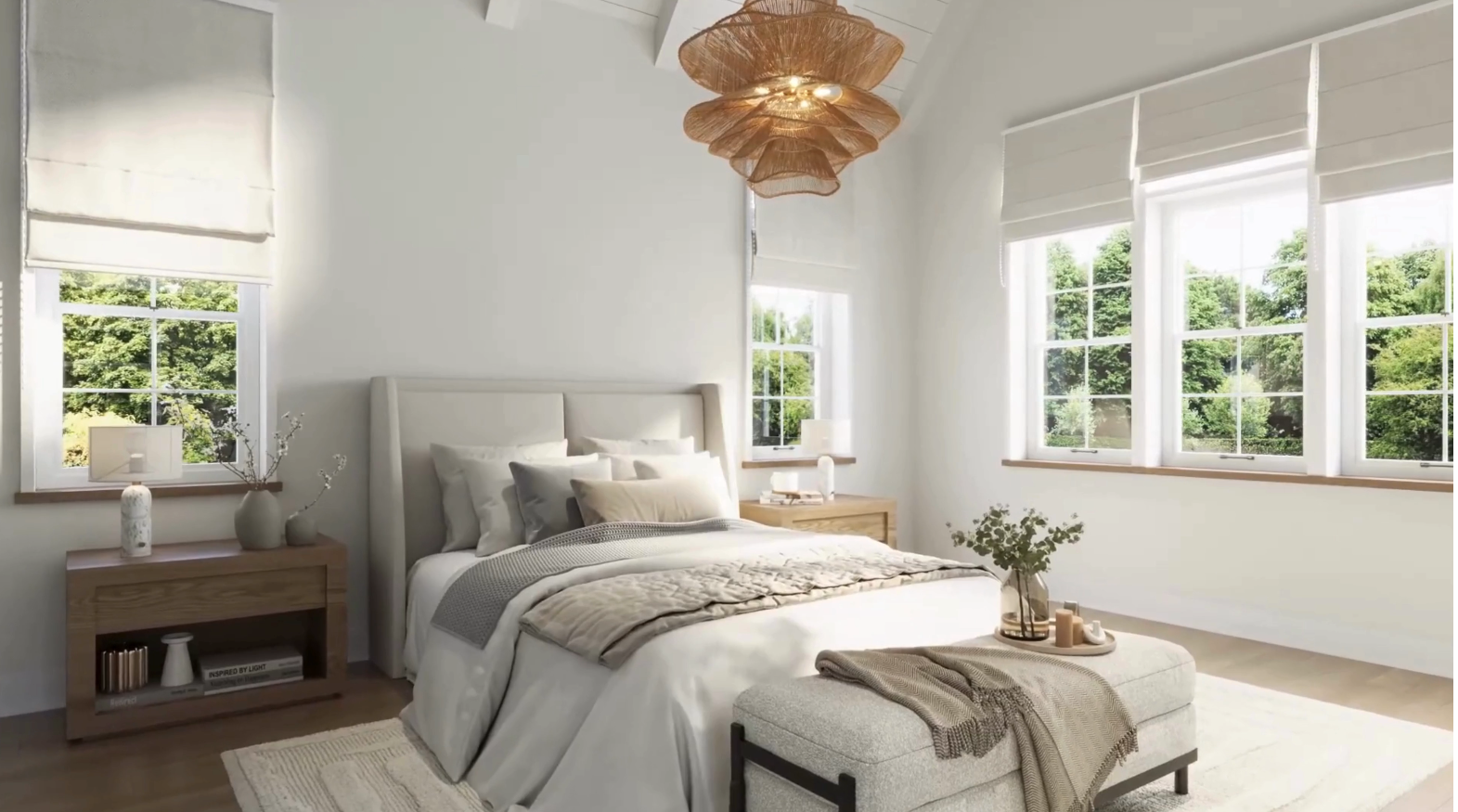
1. The "Fachkräftemangel" and the Digital Solution
Germany is currently experiencing a significant shortage of skilled workers, including architects and specialized 3D artists. Hiring a senior visualizer in cities like Frankfurt, Hamburg, or Stuttgart is not only expensive (due to high social security and salary expectations) but often impossible due to a lack of available talent.
The In-House Trap
Many German firms try to handle visualization in-house. However, asking a lead architect to spend 20 hours tweaking lighting in 3ds Max is an inefficient use of resources. Their time is better spent on design, detailing, and client management.By transitioning to 3d rendering online, firms can offload the labor-intensive visualization process to specialized studios. This allows the core German team to focus on what they do best: Engineering and Design.
Cost Efficiency in a High-Cost Economy
The cost of doing business in Germany is high. Outsourcing visualization to a premium offshore studio allows German firms to convert fixed personnel costs into flexible project costs. You get access to a team of 30+ artists for the price of one junior employee. This is not about "cheap labor"; it is about economic efficiency. You are paying for the output (the image), not the overhead (office space, software licenses, sick leave).
2. Navigating the German Market: Key Applications
The German market has specific needs that differ from the US or Australian markets. A successful 3d rendering online strategy must address these unique sectors.
A. Architectural Competitions (Wettbewerb)
In Germany, public buildings and major developments are awarded through anonymous architectural competitions. This is the "Formula 1" of architecture.
- The Goal: To win the jury's heart in seconds.
- The Visual Strategy: "Atmosphere over Detail." Competition renders are often more artistic, moody, and abstract. They need to convey the feeling of the space—a snowy evening at a new museum or a foggy morning at a university campus.
- Speed is Critical: Competitions have hard deadlines. A professional offshore studio can mobilize a team of 5-10 artists to work around the clock in the final days before submission, ensuring the visuals are ready while the architects finalize the plans.
B. Real Estate Marketing (Immobilienmarketing)
For residential developers (Bauträger), the focus is on precision and trust. German buyers are risk-averse. They want to know exactly what they are buying.
- The Visual Strategy: "Hyper-realism." The renders must show the exact parquet flooring (Parkett), the specific brand of kitchen fittings, and the correct sun position. Abstract visuals do not sell homes in Germany; accurate representations do.
- Virtual Tours: 360-degree tours are becoming standard for selling unbuilt properties, allowing meticulous German buyers to inspect every corner of the apartment digitally.
C. Technical & Sustainable Visualization
Germany is a pioneer in green building (Passivhaus, DGNB certification).
- The Visual Strategy: Renders must highlight sustainable features. Green roofs (Dachbegrünung), solar panels (Photovoltaik), and timber construction (Holzbau) need to be rendered with care. It’s not just about making it look green; it’s about showing that the building functions as a sustainable ecosystem.
3. The "Deutsche Qualität" Standard in Online Rendering
There is a misconception that "offshore" means "lower quality." In the world of high-end architectural visualization, this is false. However, to satisfy German clients, an online rendering provider must adhere to specific standards.
1. Technical Accuracy
German architects work with precision. If a window frame is designed as 50mm, it cannot be rendered as 100mm. The rendering team must be able to read complex CAD/Revit plans and respect the architect's dimensions religiously. A "creative interpretation" of the geometry is not acceptable in this market.
2. The "Bauhaus" Aesthetic
German design often leans towards minimalism, functionality, and clarity (form follows function).
- Lighting: Clean, natural daylight is preferred over overly dramatic or "Hollywood-style" lighting.
- Styling: Interior furniture should be modern classics (Eames, Mies van der Rohe) or contemporary European design (Vitra, Hay). A render styled with overly ornate or American-style furniture will feel foreign to a German buyer.
3. Data Security (Datenschutz)
Germany has some of the strictest data privacy laws in the world (GDPR/DSGVO).
- Trust: When choosing a 3d rendering online partner, German firms must ensure the studio has strict protocols for Intellectual Property (IP) protection. Professional studios work under NDAs and use secure servers to transfer files, ensuring that sensitive project data never leaks.
4. The Workflow: Bridging the Distance
How does a German architect in Berlin collaborate effectively with a rendering team in Vietnam? The answer lies in a structured, professional workflow.
- The Briefing (Briefing): German clients are known for excellent, organized briefs. This is a huge advantage. The more detailed the information (material specs, camera angles), the faster the online team can work.
- The "Overnight" Advantage:
- 18:00 (Berlin): The architect uploads the latest model revisions and feedback.
- 08:00 (Berlin): The architect arrives at the office to find updated renders ready for review.
- This cycle turns the time difference into a competitive advantage, effectively doubling the speed of the project.
- Quality Control: At MR Rendering, our senior artists act as quality gatekeepers. They review every image to ensure it meets the technical and aesthetic standards before it is sent to the client, ensuring that "Deutsche Qualität" is maintained at every step.
5. Conclusion: Global Talent, German Standards
The future of the German architectural industry is digital and global. The firms that will succeed in the next decade are those that learn to leverage global resources to solve local challenges.
Outsourcing visualization is no longer a risk; it is a strategic necessity. It solves the skills shortage, reduces fixed costs, and provides access to world-class artistic talent. The key is finding a partner who understands the German mindset—a partner who values precision as much as you do.
At MR Rendering, we have extensive experience working with clients in the DACH region. We understand the pressure of Wettbewerbe, the technical requirements of Immobilienmarketing, and the uncompromising need for quality. We offer the reliability of a German partner with the speed and cost-efficiency of an offshore studio.
Are you ready to optimize your visualization workflow?Experience the perfect blend of German precision and global efficiency.
👉 Get a Quote for 3D Rendering Germany Services
.png)


