Virtual Tours of Houses – How 3D Technology Is Transforming the Way We Explore Homes
Virtual Tours of Houses – How 3D Technology Is Transforming the Way We Explore Homes
Buying a home used to begin with driving across town, booking multiple appointments, and trying to imagine how a space would feel in real life. Today, everything has changed. With virtual tours of houses, buyers can step inside a property from anywhere in the world through a phone, laptop, or even a VR headset.
In this blog, we explore why virtual tours have become essential for real estate professionals, how they are created, and why agencies and developers are adopting immersive 3D experiences as part of their marketing strategy.
What Are Virtual Tours of Houses?
A virtual tour is an interactive 360-degree walkthrough that allows viewers to explore a property as if they were physically present. Instead of scrolling through static images, users can navigate freely from room to room, rotate their view, zoom into details, and understand how the space feels.
These tours are created using a combination of 3D rendering technology, high-resolution panoramic images, and real-time navigation tools. The result is an experience that provides far more clarity than traditional photography.
Virtual tours eliminate guesswork. Homebuyers no longer need to imagine what a kitchen layout looks like or how natural light enters a bedroom—they can see it clearly.
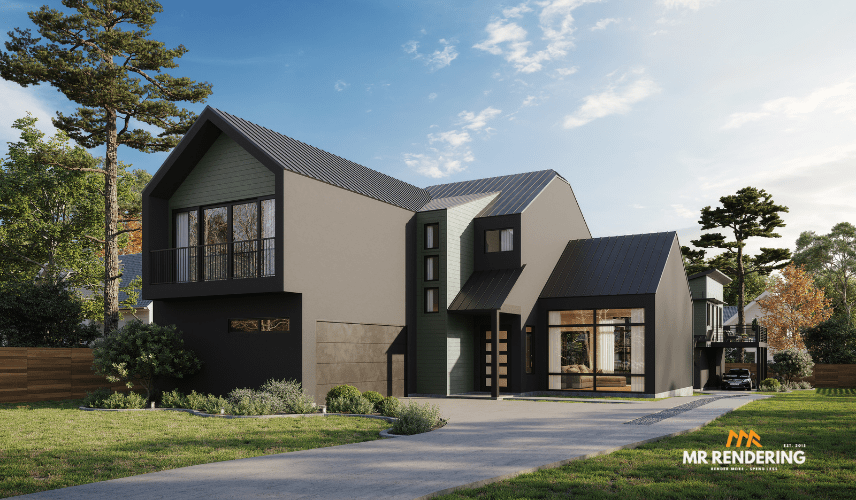
Why Virtual Home Tours Are Becoming Essential
Virtual tours offer benefits that traditional marketing methods simply cannot match.
1. They increase engagement significantly
Listings that include virtual tours hold visitors’ attention much longer compared to those with photos alone. When users can move around and interact with the property, they naturally spend more time exploring it.
2. They help sell properties faster
A virtual tour provides a realistic view of the home, reducing uncertainty and giving buyers confidence. This often leads to quicker decision-making and fewer unnecessary on-site visits.
3. They are ideal for pre-selling
Many developers use virtual tours to showcase off-plan projects. A high-quality 3D tour communicates spatial layout, interior finishes, and overall design far better than technical drawings.
4. They strengthen brand credibility
Offering virtual tours positions your business as modern, transparent, and customer-focused. In an increasingly digital world, clients expect convenience and innovation.
How MR Rendering Creates a Professional Virtual Tour
With deep experience in architectural visualization, MR Rendering follows a refined workflow to turn concepts and plans into fully interactive digital experiences.
Step 1: Understanding the project
We begin by reviewing architectural plans, material schedules, and moodboards to capture the full design intent.
Step 2: Building the 3D model
Our team creates a detailed and accurate 3D model of the property, including structure, interiors, furniture, and décor. This digital version matches the real or planned home with precision.
Step 3: Setting up lighting and materials
Lighting plays a major role in realism. We simulate sunlight, artificial lighting, reflections, shadows, and texture details to ensure the property looks natural and inviting.
Step 4: Rendering 360-degree viewpoints
Each area of the home—living room, kitchen, bedrooms, bathrooms, outdoor spaces—is rendered in ultra-high resolution for smooth viewing.
Step 5: Building the virtual tour
Using specialized software, we connect all viewpoints with navigation hotspots, menus, and interactive elements, allowing seamless movement through the home.
Step 6: Final delivery
The virtual tour is delivered as a web link or embedded code that works on websites, real estate listings, presentations, and VR devices.
Who Benefits the Most from Virtual Tours?
Virtual tours bring value to multiple industries and user groups.
Real estate agents benefit by offering an engaging and modern listing experience. Buyers can explore properties anytime, reducing the need for in-person visits.
Developers benefit by using virtual tours to pre-sell projects long before construction is completed. Investors appreciate the clarity and confidence these tours provide.
Architects and interior designers use virtual tours to present design concepts to clients, helping them visualize space and approve ideas quickly.
Builders, hotels, serviced apartments, and rental platforms also benefit by providing transparent and appealing previews of their spaces.
Virtual Tours vs. Traditional Media
Unlike photos or videos, virtual tours give viewers full control over their experience. Instead of following a fixed path, users decide where to go, how long to explore each room, and which details to focus on.
This level of interaction results in a much deeper understanding of the property. Buyers can sense flow, scale, and functionality—elements that static images can never fully communicate.
Trends Shaping the Future of Virtual Home Tours
The technology behind virtual tours continues to evolve rapidly.
Artificial intelligence is beginning to enable real-time customization, allowing buyers to change materials, colors, and furniture with a single click.
Virtual reality and augmented reality are merging with virtual tours, creating immersive environments where users can walk through a property using VR headsets or overlay furniture and décor inside real-world rooms using AR apps.
Developers are adopting interactive storytelling inside tours, adding information hotspots, guided navigation, and voiceovers that highlight key features of the property.
As these trends accelerate, virtual tours will become a standard feature in real estate marketing.
Why MR Rendering Is a Trusted Partner for Virtual House Tours
MR Rendering produces high-quality virtual tours for agencies, developers, architects, and marketing teams worldwide. Our combination of industry experience, advanced technology, and competitive pricing makes us an ideal visualization partner.
If you want to explore our full services, visit our home page.
If you want to learn more about our team and approach, visit About Us.
For project inquiries, reach out through our Contact page.
Additional Resources
If you’re interested in understanding the broader context behind virtual tours, these references may be helpful:
Learn more about immersive digital environments: Virtual Reality
Explore how homes are presented for marketing: Home Staging
Final Thoughts
Virtual tours of houses are more than a trend—they represent a fundamental shift in how properties are marketed and experienced. They offer convenience, engagement, and clarity, making them an essential tool for real estate professionals and buyers alike.
With realistic visuals, intuitive navigation, and the ability to explore homes from anywhere, virtual tours are reshaping expectations for the modern real estate market. And as technology continues to evolve, these experiences will only become more powerful, interactive, and indispensable.
.png)


